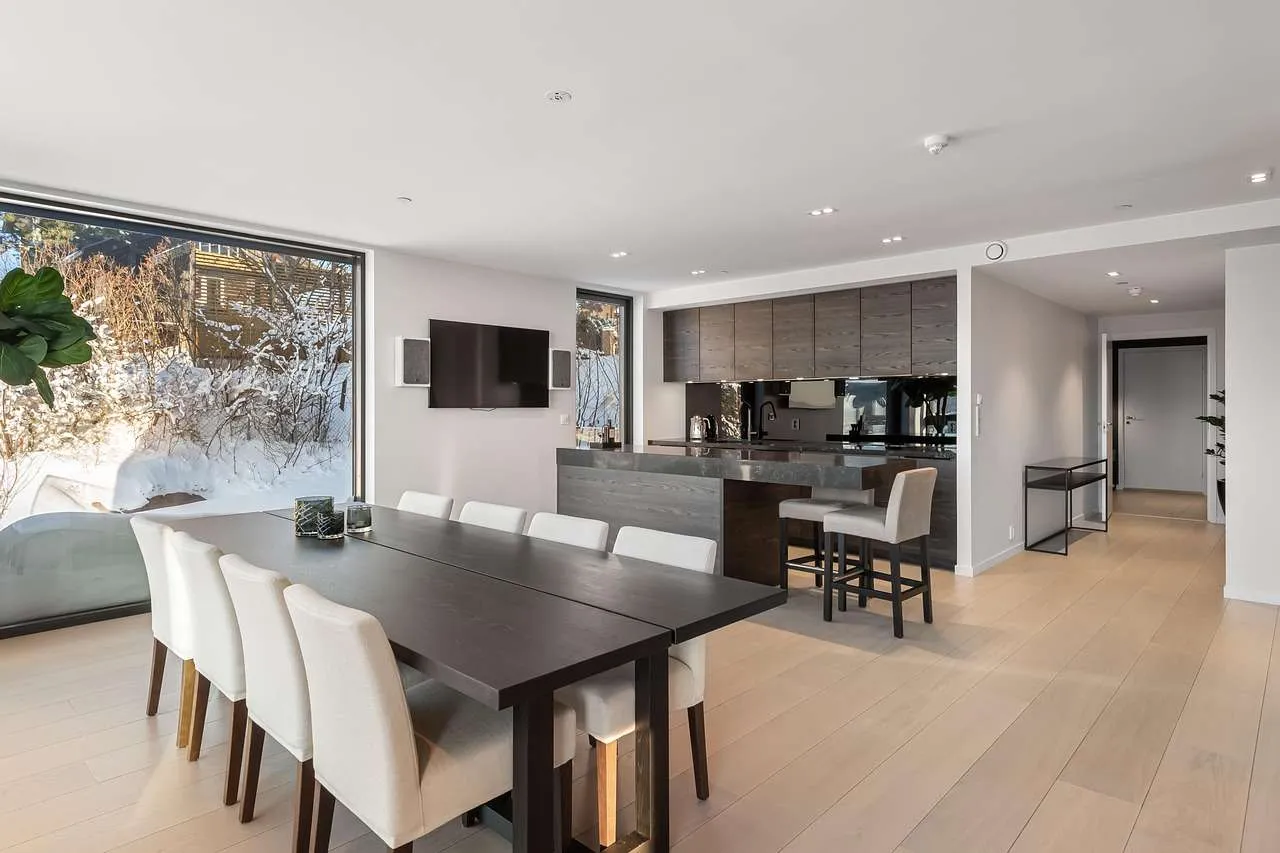
Home window tinting refers to applying a thin film to the interior surface of residential glass to control sunlight, heat, and visibility. Modern films are designed to preserve exterior views while reducing glare and blocking harmful UV rays. For homeowners, choosing the right tint is a balance of comfort, energy efficiency, privacy, and aesthetics. This guide explains the benefits, the main tint types, how to select and install, and how EEAT principles help you pick a trusted professional.
Benefits of home window tinting
- Significant reduction in heat gain and HVAC load, keeping rooms cooler in summer.
- Block up to 99% of UV radiation, protecting furniture, carpets, and skin.
- Glare reduction for comfortable living and to protect screens and glare-sensitive tasks.
- Enhanced privacy during daytime with minimal loss of visible outside view.
- Improved safety: many films hold glass fragments together on breakage.
- Potential energy savings and increased comfort with consistent indoor temperatures.
Common types of window tint for homes
Different tint technologies offer varying levels of heat rejection, glare control, and visibility. The right choice depends on your climate, budget, and the type of glass in your home.
- Dyed window tint: inexpensive, reduces glare and creates a cosmetic tint. It can fade and offers limited heat rejection compared with advanced films.
- Metalized or metallized tint: reflects a portion of solar energy and improves heat rejection. It can interfere with GPS, Wi-Fi, or cell signals and may show a shinier appearance.
- Ceramic tint: high-performance, non-metal, excellent heat rejection, clear optics, and minimal signal interference; often the best value for long-term energy savings.
- Hybrid tint: combines dyed and metalized layers to balance cost and performance, offering decent heat rejection with fewer signal issues.
Choosing for your home
Consider compatibility with low-E glazing, existing window frames, and the orientation of sun exposure. For rooms facing south or west, higher VLT tint or ceramic films may yield the best comfort without overly darkening spaces.
Key considerations before installation
- Privacy needs: choose tint darkness or pattern to suit daytime privacy while maintaining outdoor visibility from inside.
- Glass type and building codes: some films require professional installation and appropriate safety ratings.
- Warranty and lifespan: reputable films offer warranties of 5–15 years depending on tone and film type.
- Professional installation: improper installation can cause bubbles, peeling, or reduced performance; warranty often requires accredited installers.
Cost and installation process
Costs vary by film type, window size, and labor. DIY kits exist but professional installation is recommended for best results and warranty protection. Typical steps include surface cleaning, film cutting, alignment, apply adhesive, and curing time. Professionals provide a clean finish and often include a regional warranty.
| Tint Type | Typical Cost per Window | Light Transmittance (VLT) | Heat Rejection | Pros / Cons |
|---|---|---|---|---|
| Ceramic tint | 80–350 | 30–60% | High | Best performance, clear view, minimal signal interference; premium price |
| Hybrid tint | 60–200 | 35–60% | Medium-High | Good balance, moderate cost, decent durability |
| Metalized tint | 40–180 | 20–50% | High | Excellent heat rejection, potential signal interference |
| Dyed tint | 20–120 | 40–70% | Medium | Affordable, glare control; color can fade over time |
Maintenance and safety considerations
Clean with non-abrasive, non-ammonia cleaners and soft cloths to avoid film damage. Avoid scraping or sharp edges near the film. If you notice bubbles, peeling, or discoloration, contact the installer promptly, since many warranties cover professional repairs or replacements.
Choosing a reputable installer (EEAT)
To meet EEAT standards, select a licensed, insured window film installer with transparent process, samples, and warranty terms. Look for established companies with customer reviews, before/after photo galleries, and clear disclosures about film grade, warranty length, and expected longevity. Ask for references, verify certifications from recognized film associations, and confirm the installer uses approved cleaning and installation methods that protect long-term performance.
With the right installer, qualified film, and a clear understanding of your goals, home window tinting can deliver long-term comfort and value while protecting interiors from sun damage.
Conclusion
Conclusion, home window tinting offers practical benefits, from heat reduction and UV protection to enhanced privacy and interior protection, when paired with the right film type and professional installation. By weighing tint options, considering climate and room use, and hiring a reputable, certified installer, homeowners can achieve durable comfort improvements and a favorable return on investment.