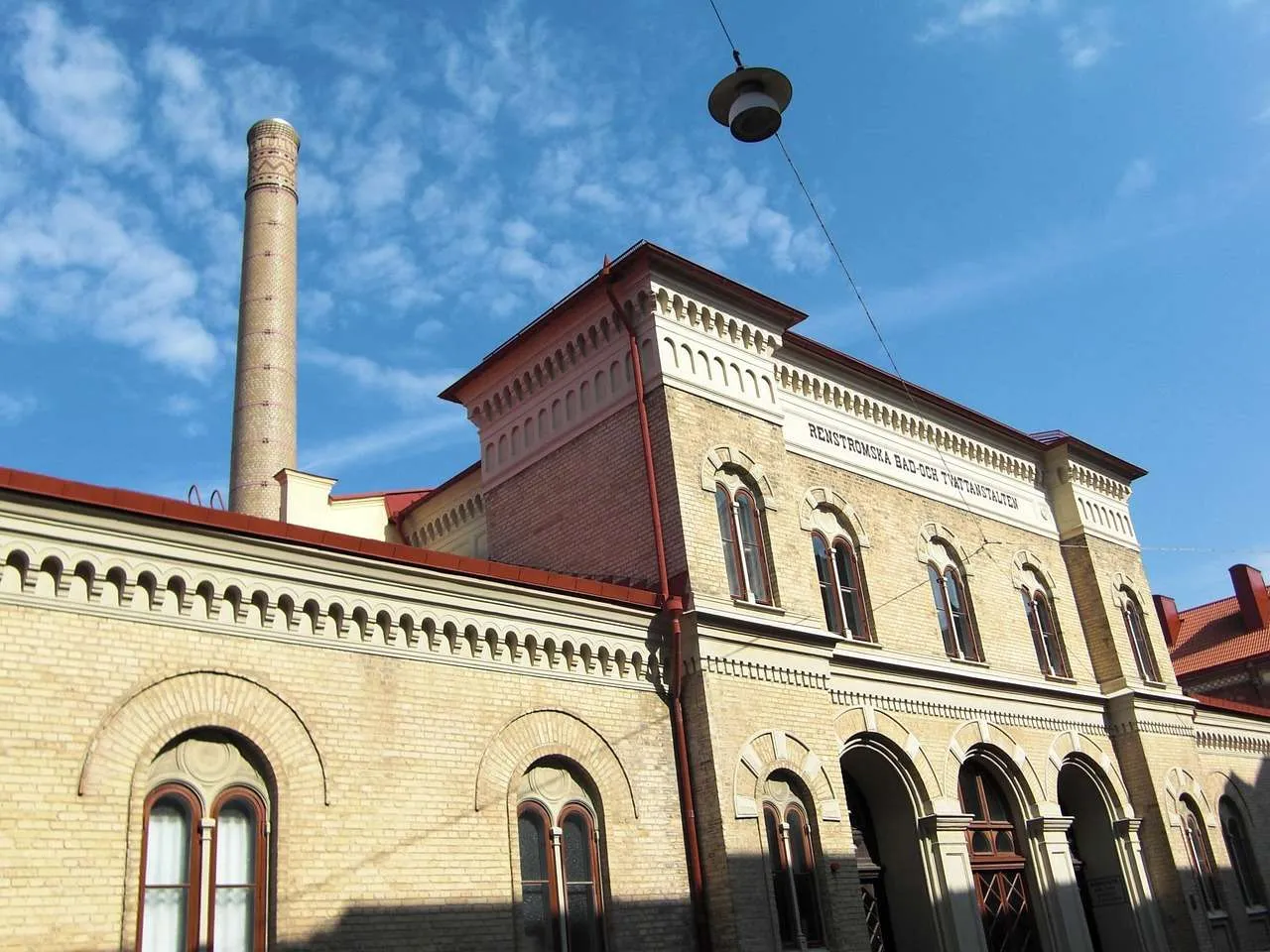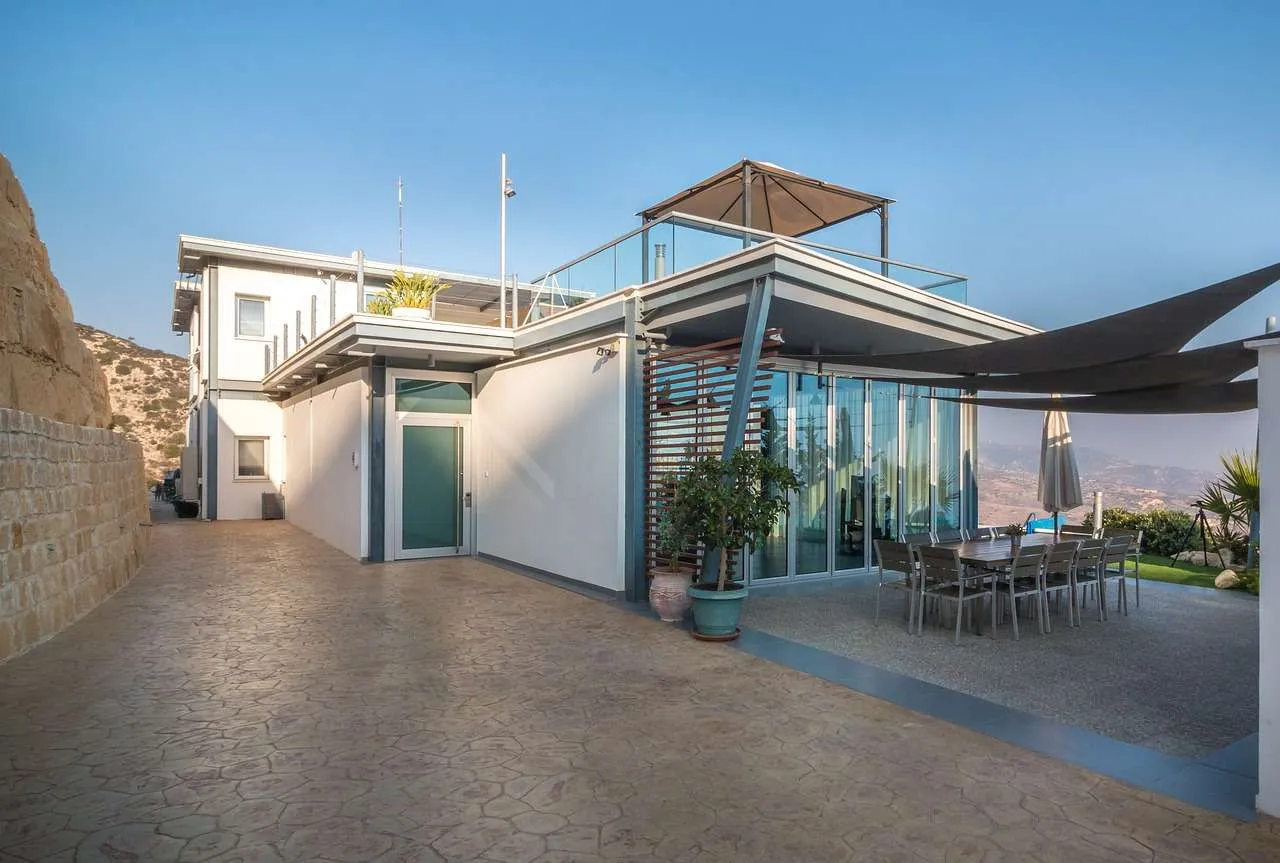
Roofing protects homes from the weather and adds lasting value. When damage appears, timely roof repairs can stop leaks, improve energy efficiency, and preserve structural integrity. This guide explains roofing basics, how to spot problems, how to work with qualified professionals, and practical steps to keep your roof performing well for years.
Understanding Roofing Basics
A roof consists of layers designed to shed water, insulate the home, and provide a finished look. Most roofs last 15 to 50 years depending on material, climate, and maintenance. Common materials include asphalt shingles, metal, tile, and slate. Each option has different installation methods, warranties, and repair needs.
Types of Roofing Materials
- Asphalt shingles — affordable and widely used
- Metal roofing — durable and lightweight
- Clay or concrete tiles — classic look, good with certain climates
- Slate — long lasting but costly
Common Roof Problems
- Missing or curling shingles
- Leaks around flashing or vents
- Ice dam damage in cold climates
- Granule loss in shingles
- Sagging or structural concerns
Signs You Need Roof Repairs
Look for visible water stains on ceilings, dark spots in attic, curling shingles, damaged flashing, and excessive granules in gutters. If you notice sudden leaks after a rain, schedule an inspection promptly to prevent further damage.
DIY vs Professional Repairs
Minor maintenance such as gutter cleaning or sealing small leaks may be doable for skilled homeowners. Most roof repairs involve working at height, handling dangerous tools, and areas that affect the building envelope. Hire a licensed roofer for significant damage to ensure proper installation, safety, and warranties.
Choosing a Roofing Contractor
Ask for licenses and insurance, request references, and verify warranty terms. Obtain written estimates, compare materials, and ensure permits are obtained when required by local codes. A reputable contractor will provide a detailed contract, a start date, and a completion timeline.
Cost Considerations and Value
Costs vary by region and material. Minor roof repairs can range from a few hundred to around a thousand dollars. Partial replacements might run a few thousand, while full roof replacements commonly fall between five and fifteen thousand dollars depending on size and materials. Investing in quality materials and proper installation yields longer life and fewer repairs over time.
Maintenance to Extend Roof Life
Inspect your roof seasonally and after severe weather. Keep gutters clear, trim overhanging branches, ensure proper attic ventilation, and address ice dam problems promptly. Schedule professional inspections every few years even if no issues are visible.
Comparison of Repair Options
| Option | Pros | Cons | Typical Cost Range | Lifespan |
|---|---|---|---|---|
| Roof Repair | Low cost, fixes localized problems | May be temporary, may require follow up | 300 - 1500 | 5 - 15 years |
| Partial Roof Replacement | Repairs damaged area, blends with existing roof | More disruptive than small repair | 2000 - 8000 | 15 - 25 years |
| Full Roof Replacement | Long-term protection, strongest warranty | Highest upfront cost | 5000 - 15000 | 20 - 50 years |
| Maintenance | Extends life, lowers repair frequency | Ongoing cost | 100 - 500 per year | Depends on upkeep |
Conclusion, a proactive approach to roofing and roof repairs saves money, protects your home, and preserves valuables inside. By recognizing signs early, choosing a qualified contractor, and pairing repairs with regular maintenance, you can extend the life of your roof and enjoy lasting peace of mind.